
Creating connections between New Zealander and Brazilian educators
Genaro Oliveira & Lucila Carvalho
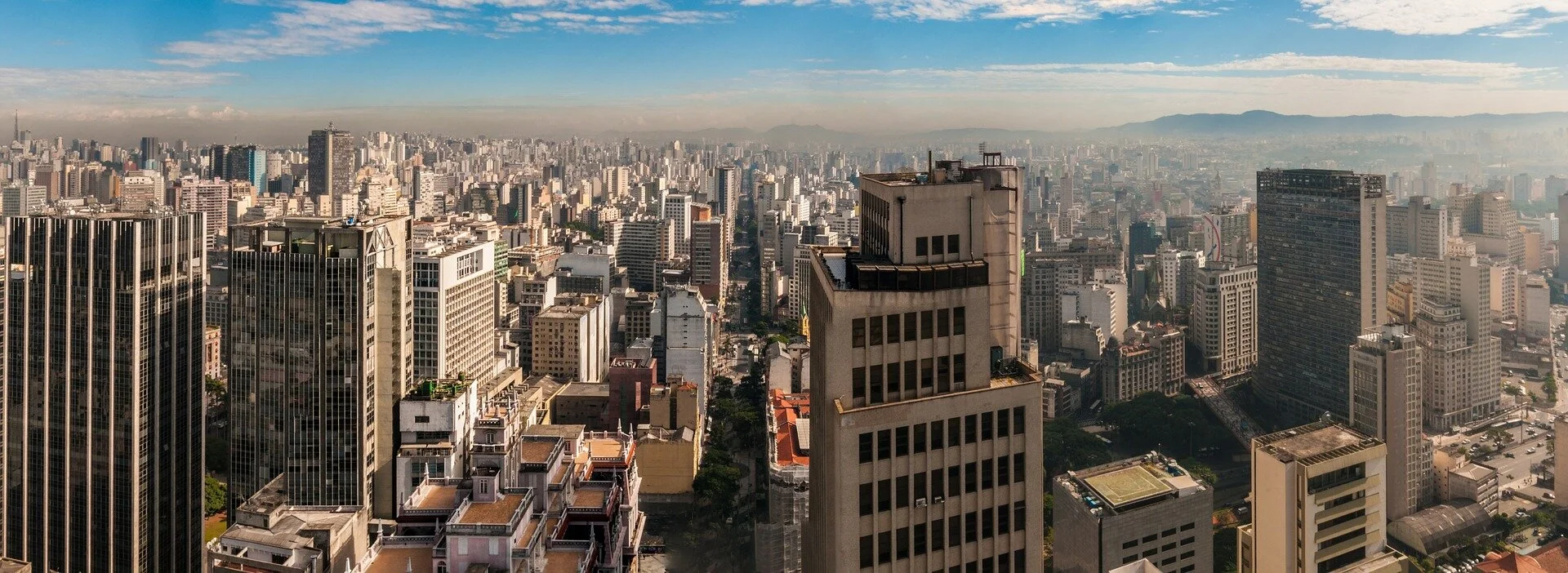
The Prime Minister’s Scholarship for Latin America (PMSLA) is a programme funded by the New Zealand government, which aims at promoting educational connections between New Zealand and countries in Latin America. Dr Genaro Oliveira and Dr Lucila Carvalho have recently been awarded PMSLA funding to take 10 Massey students from the Initial Teacher Education (ITE) programme to São Paulo (Brazil). Dr Oliveira and Dr Carvalho designed an exciting 4-week programme, where ITE students will have an opportunity to meet, network and exchange experiences with leading educators at Brazilian schools and universities.
Crossing over between education systems: New Zealand and Brazil
Despite differences in history and context, educators in New Zealand and Brazil have been similarly trying to figure out how to best encourage their students to develop creative and critical thinking skills, how to collaborate and problem solve, so that young people will be able to best address the 21st century challenges our world is facing. While educators in New Zealand have built a robust reputation grounded on a world-leading curriculum and public education system, Brazil has been seen as a fertile ground for creative projects and theories that challenge modern education, as for example, through the influential work on critical pedagogy by the philosopher and educator Paulo Freire. This PMSLA program for Massey ITE students brings together students and educators from both countries, to develop deeper understandings of shared contemporary issues.
Once Massey ITE students graduate, they will be able to take their experiences in the PMSLA program forward as future teachers, to powerfully impact their own students and communities. Overall, the PMSLA programme fosters binational collaborative initiatives in education, through exposing students to current developments in schools and universities based in São Paulo, Brazil.
What school projects will New Zealand students learn about?
Massey ITE students will have opportunities to learn about several award-winning projects, which have been addressing pressing contemporary social issues in Brazil. These include:
• Hair, self-esteem and black girl’s identities - School Leila Avelino
Originally developed by a group of Year 6 students who experienced racial discrimination, this project focuses on overcoming racial stereotypes and challenging racist practices within schools and beyond.
• Junk Robotics, Promoting Sustainability - School Almirante Parreiras
This project involves 2000 students leading an interdisciplinary project that transforms urban rubbish, as students learn programming skills and create robotics prototypes, whilst exploring responsible use of technology and sustainability.
• Searching for a Sustainable School - School Annita Guedes
This project involves approximately 500 students and their families, who use their school’s ground as a laboratory to research and test best practices in food production, water management and waste management.
• Cinezito: cinema education - School Professor José Zito
This project explores the potential of audio-visual communication, as Year 9 students established an inspirational school cinema project to raise awareness around socio-cultural problems affecting their communities.
• Migrant lives in my home - School Infante D. Henrique
The motivation for this project arises from the poor work conditions and low pay of foreign workers, who were living around the school neighbourhood. The project promotes understanding and changes related to refugee’s issues and modern-day slavery practices.
• Knowledge and Praxis in Jaraguá - The Educational Centre for Indigenous Education (CECI)
Led by students and Indigenous leaders from Guarani Mbya, the project is a regional reference for strengthening the Guarani culture, and for transforming traditional cosmologies and values into school curricula and cultural pride.
What else will the New Zealand students do in São Paulo?
Interwoven with practical school visits, ITE students will also observe a rigorous academic calendar. They will attend lectures by experts from two leading universities in São Paulo: the Universidade de São Paulo (USP) and Universidade de Campinas (UNICAMP). They will also present student-centred public workshops at both universities, in which Massey ITE students will discuss and share their intercultural learning experiences. They will also complete assignments for their ITE GradDip programme.
But there will be many other informal learning opportunities too! ITE students will be able to further develop their intercultural and linguistic skills as they visit some of the country’s leading museums, art galleries, libraries and cultural centres. These extra-curricular experiences will complement students’ school and university-based activities, offering unique insights into the complexity of the economic, political and cultural achievements of Latin America's largest country.
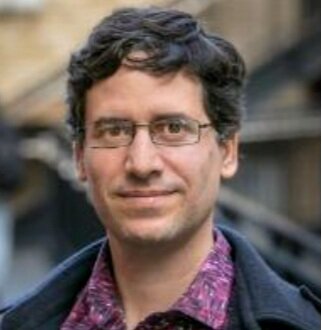
Genaro Oliveira is a lecturer in secondary education. Prior to his current role at Massey University (Palmerston North), Genaro worked as a social sciences and Spanish teacher at Diocesan School for Girls (Auckland), did a postdoc in digital history at the University of Basel (Switzerland), lectured on history and education at the Fiji National University (FNU - Fiji Islands), taught media history at the College of Sciences and Technology (FTC - Brazil) and digital inclusion at the NGO Cipó (Brazil). Genaro’s fields of research are: teaching and learning history, art history, digital history, historiography, and Latin American history.
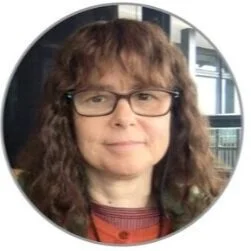
Lucila Carvalho is a senior lecturer in e-learning & digital technologies at Massey University (Auckland). Lucila’s research interests are in networked learning, design for learning and innovative learning environments. Her research explores how knowledge and social structures shape the design and use of technology, and how technology influences social and educational experiences. She has published and presented her work at various international conferences in the fields of education, sociology, systemic functional linguistics and design.
T: @lucila_fdc
W: https://lucilacarvalho.wordpress.com/